
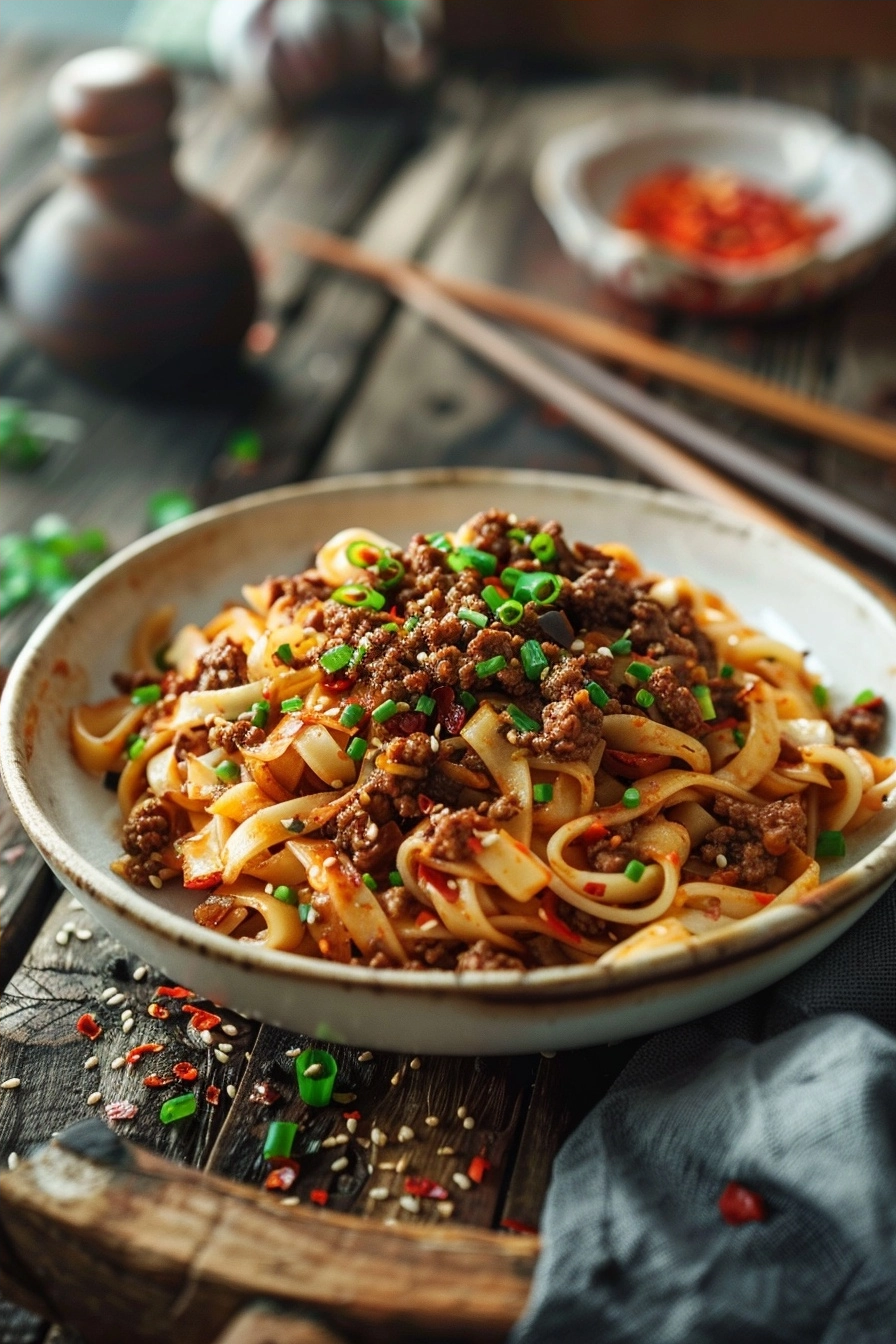
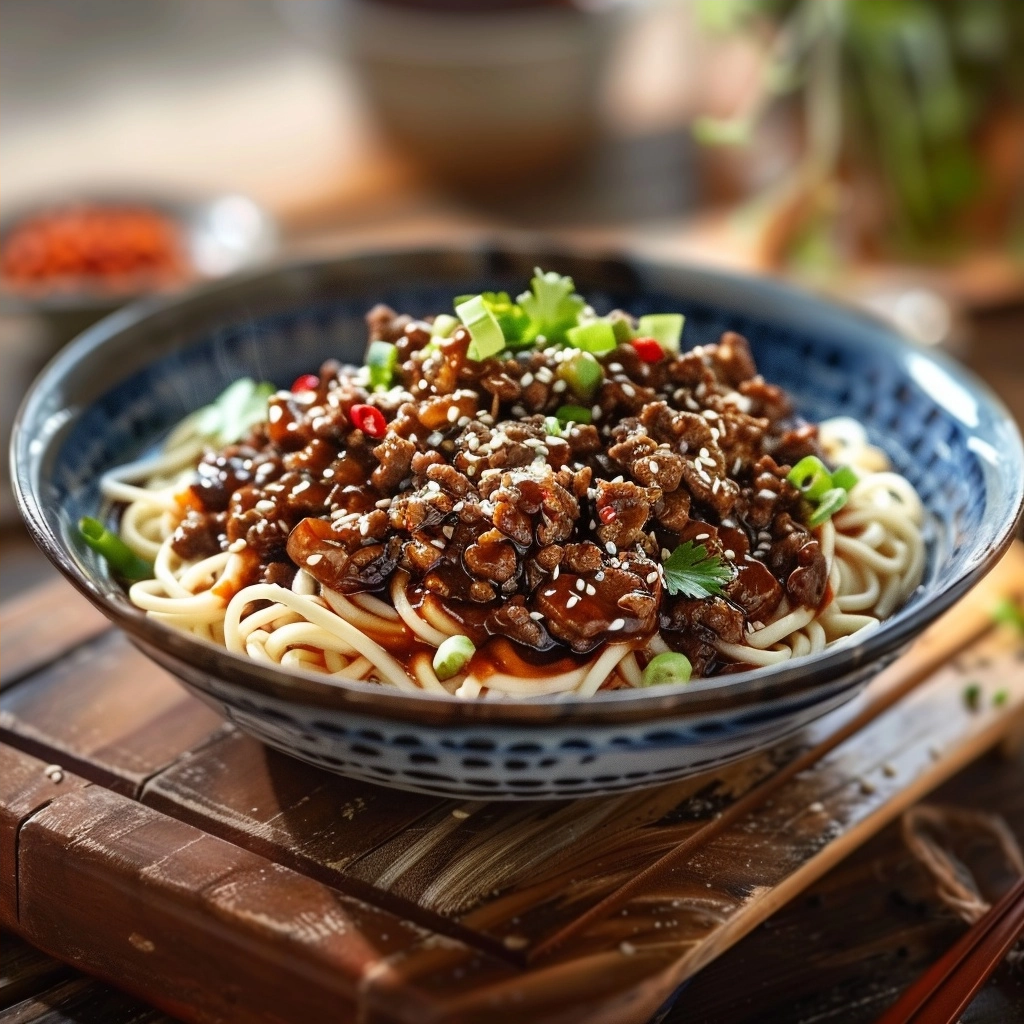
Mongolian ground beef noodles deliver a delightful balance of savory, sweet, and umami flavors. This quick Asian-inspired dish transforms simple pantry staples into an incredibly satisfying meal perfect for any weeknight. The tender ground beef coated in a rich, glossy sauce over chewy noodles makes this a family favorite.
Why This Recipe Works
I first encountered Mongolian flavors years ago, and this ground beef noodle adaptation is a testament to its enduring appeal. The magic lies in the simplicity and the depth of flavor achieved with minimal effort. Using ground beef makes this dish exceptionally fast, cooking through quickly and absorbing the sauce beautifully. This recipe eliminates the need for less common cuts of meat, making it accessible for any home cook.
The sauce is the undisputed star here, hitting all the right notes. The soy sauce provides the salty base, brown sugar brings sweetness, and beef broth adds moisture and richness. A touch of oyster sauce (if available) deepens the savory complexity, while cornstarch creates that signature glossy, clinging texture. This combination ensures every noodle and every bite of beef is coated in pure deliciousness. It’s a truly forgiving recipe that always turns out wonderfully.
Ingredients
| Ingredient | Quantity | Notes |
|---|---|---|
| Ground Beef | 1 lb | 80/20 lean is ideal for flavor; drain excess fat. |
| Neutral Oil | 1 tbsp | Canola, vegetable, or avocado oil work well. |
| Yellow Onion | 1 medium | Thinly sliced for even cooking and sweetness. |
| Garlic | 3 cloves | Minced finely or pressed for maximum flavor. |
| Fresh Ginger | 1-inch piece | Grated or finely minced; essential for authentic Mongolian flavor. |
| Dried Egg Noodles | 4 oz | Or ramen noodles, udon, or spaghetti. Adjust cooking time accordingly. |
| Soy Sauce | 1/2 cup | Low sodium is recommended to control saltiness. |
| Beef Broth | 1/4 cup | Adds liquid and enhances beefy flavors. |
| Brown Sugar | 2 tbsp | Light or dark brown sugar; adjust to sweetness preference. |
| Oyster Sauce | 1 tbsp | Optional, but adds significant depth. Use vegetarian oyster sauce if needed. |
| Cornstarch | 1 tsp | For thickening the sauce; mix with a little water to make a slurry if preferred. |
| Green Onions | 2 | Sliced thinly; separate whites and greens for different stages of cooking. |
| Sesame Oil | 1 tbsp | For finishing; adds a nutty aroma and flavor. |
Step-by-Step Instructions
- Boil a pot of water.
- Add dried egg noodles and cook according to package directions until al dente.
- Drain the noodles well and set aside. Toss with a tiny bit of oil to prevent sticking if desired.
- Heat neutral oil in a large skillet or wok over medium-high heat.
- Add ground beef and cook, breaking it up with a spoon, until browned all over.
- Drain off any excess grease from the skillet.
- Add sliced yellow onion and the white parts of the green onions to the skillet.
- Sauté for 2-3 minutes until the onion begins to soften.
- Stir in minced garlic and grated ginger, cooking for another minute until fragrant.
- In a small bowl, whisk together soy sauce, beef broth, brown sugar, and oyster sauce (if using).
- Add the cornstarch to the sauce mixture and whisk until fully dissolved. Ensure there are no lumps.
- Pour the prepared sauce mixture directly into the skillet with the beef and onions.
- Stir well to combine all ingredients.
- Bring the sauce to a simmer and cook for 2-3 minutes, stirring continuously, until it thickens to a glossy consistency.
- Add the cooked and drained noodles to the skillet.
- Toss everything together gently until the noodles and beef mixture are well coated in the sauce.
- Stir in the sesame oil and the green parts of the sliced green onions.
- Serve the Mongolian ground beef noodles immediately.
Cook Noodles
Cook Beef and Aromatics
Prepare Sauce
Combine and Finish
Chef Tips for Perfect Results
- Don’t Overcrowd the Pan: Brown the ground beef in batches if your skillet is too small. Overcrowding steams the meat instead of browning it, leading to less flavor.
- Prep Everything First (Mise en Place): Have all your ingredients chopped, minced, and measured before you start cooking. The cooking process is fast, requiring quick additions.
- Adjust Sauce Sweetness to Your Liking: Brown sugar is key for balance, but feel free to add a little more or less depending on your preference. A good starting point is 2 tablespoons.
- Use Fresh Ginger and Garlic: These aromatics are crucial for authentic flavor. Packaged minced versions can work in a pinch, but fresh makes a significant difference.
- Thicken Sauce Properly: Ensure cornstarch is fully dissolved in the liquid before adding it to the hot pan. Simmering allows it to activate and thicken the sauce effectively.
Common Mistakes to Avoid
- Undercooking Aromatics: Raw garlic and ginger can overpower the dish. Sauté them until fragrant, typically about 1 minute, to mellow their intensity.
- Sauce Too Thin or Too Thick: Incorrect cornstarch measurement or insufficient simmering are common culprits. Start with the recommended amount of cornstarch and simmer until the desired thickness is reached. Add a touch more cornstarch slurry if too thin, or a splash of broth if too thick.
- Noodles Overcooked/Undercooked: Follow package directions carefully for your chosen noodle type. Al dente is ideal as they will continue to absorb sauce.
- Not Draining Beef Fat: Excess grease can make the dish heavy and unappetizing. Drain thoroughly after browning the beef for a cleaner flavor profile.
Variations and Substitutions
| Ingredient | Substitution | Impact on Flavor |
|---|---|---|
| Ground Beef | Ground chicken, ground turkey, or crumbled firm tofu | Chicken/turkey will be lighter; tofu offers a vegetarian option. Ensure proper browning for best texture. |
| Egg Noodles | Ramen noodles, udon noodles, spaghetti, linguine | Slight texture variations; ramen and udon are more traditional Asian noodle choices. |
| Brown Sugar | Honey, maple syrup, or a sugar substitute | Honey/maple syrup add subtle floral or earthy notes; substitutes will maintain sweetness without added flavor. |
| Oyster Sauce | Hoisin sauce or a vegetarian stir-fry sauce | Hoisin is sweeter and thicker; vegetarian sauce provides umami without seafood. |
| Yellow Onion | Shallots or sweet onion | Shallots offer a milder, sweeter onion flavor; sweet onions are a good direct substitute. |
Serving Suggestions and Pairings
Mongolian ground beef noodles are a complete meal on their own, but are delightful served with simple accompaniments. Consider a side of steamed broccoli or bok choy for added freshness and color. A light, crisp Asian-inspired slaw also pairs wonderfully. For a more substantial meal, serve alongside steamed white or brown rice. This dish is perfect for casual weeknight dinners, busy family gatherings, or even potlucks due to its crowd-pleasing nature.
Storage and Reheating
| Method | Duration | Instructions |
|---|---|---|
| Refrigerator | 3-4 days | Store in an airtight container once cooled. Ensure it’s fully cooled before refrigerating to prevent bacterial growth. |
| Freezer | Up to 2 months | Allow dish to cool completely. Portion into freezer-safe containers or bags. Ice crystals may reduce noodle texture, but flavor remains good. |
| Reheating (Stovetop) | Heat a skillet over medium heat. Add a splash of water or broth if the mixture seems dry. Add leftovers and stir until heated through. This method helps retain sauce consistency. | |
| Reheating (Microwave) | Place in a microwave-safe dish. Cover loosely to prevent splattering. Heat in 1-minute intervals, stirring in between, until hot. Add a tablespoon of water if noodles seem dry. |
Nutritional Information
| Nutrient | Amount per Serving |
|---|---|
| Calories | Approx. 550 kcal |
| Protein | Approx. 30g |
| Fat | Approx. 25g |
| Carbohydrates | Approx. 50g |
| Fiber | Approx. 3g |
| Sugar | Approx. 10g |
| Sodium | Approx. 1200mg |
Disclaimer: Approximate values based on standard ingredients. Actual nutrition can vary.
Frequently Asked Questions
Can I use a different type of noodle?
Yes, a variety of noodles work well in this recipe. Ramen noodles, udon noodles, or even spaghetti are excellent substitutes. Adjust cooking times according to the specific noodle package instructions for optimal texture.
How do I make the sauce thicker?
To thicken the sauce, ensure the cornstarch is fully dissolved in the liquid before adding it to the pan. Simmer the sauce for at least 2-3 minutes after adding it to the hot skillet. If it’s still too thin, make a slurry of 1 teaspoon cornstarch mixed with 1 tablespoon of cold water and stir it into the simmering sauce until thickened.
What is the best way to avoid mushy noodles?
Cook the noodles until they are just al dente, meaning they have a slight bite. They will continue to cook slightly in the hot sauce. Overcooking them before adding to the sauce is the primary cause of mushiness. Drain them well to remove excess water.
Can I prepare Mongolian beef noodles ahead of time?
While it’s best served fresh, leftovers store well for 3-4 days in the refrigerator. Reheat gently on the stovetop with a splash of water or broth to maintain the desired sauce consistency. Avoid over-reheating, which can make noodles gummy.
What if I don’t have oyster sauce?
If you lack oyster sauce, hoisin sauce is a good substitute, offering a similar sweet and savory profile. A dash of Worcestershire sauce or a vegetarian stir-fry sauce can also add depth. The dish will still be delicious without it, though the complexity may be slightly reduced.
Ingredients
- 1 lb Ground Beef
- 1 tbsp Neutral Oil
- 1 medium Yellow Onion
- 3 cloves Garlic
- 1-inch piece Fresh Ginger
- 4 oz Dried Egg Noodles
- 1/2 cup Soy Sauce
- 1/4 cup Beef Broth
- 2 tbsp Brown Sugar
- 1 tbsp Oyster Sauce (optional)
- 1 tsp Cornstarch
Instructions
- Heat oil in a large skillet or wok over medium-high heat. Add ground beef and cook until browned, breaking it apart with a spatula.
- Add sliced onion, minced garlic, and grated ginger. Cook for 2-3 minutes until fragrant and the onion begins to soften.
- Stir in soy sauce, beef broth, brown sugar, and oyster sauce (if using). Mix well and simmer for 5 minutes to blend the flavors.
- In a small bowl, mix cornstarch with 1-2 tablespoons of water to create a slurry. Add to the skillet and stir continuously until the sauce thickens and becomes glossy.
- Meanwhile, cook the dried egg noodles according to package instructions. Drain and set aside.
- Add the cooked noodles to the skillet with the sauce (or serve sauce over noodles in a large serving dish). Toss until noodles are fully coated in the sauce.
- Serve immediately, garnished with chopped green onions or sesame seeds if desired.
Notes
For a gluten-free version, use tamari instead of soy sauce and check that your noodles are gluten-free.
Leftovers can be stored in an airtight container in the refrigerator for up to 3 days.